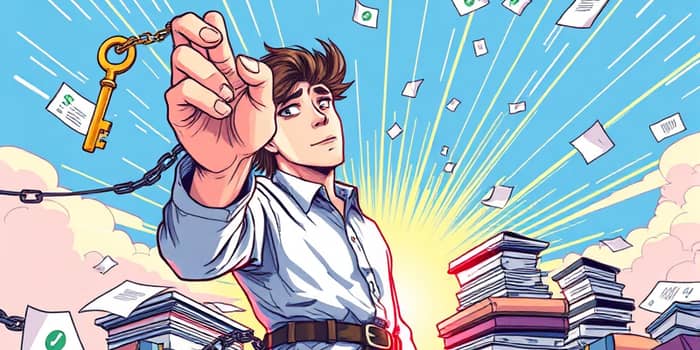
Every January, millions of people make resolutions to regain control of their finances. But when multiple debts with varying interest rates and due dates loom overhead, the path can feel overwhelming. What if there were a way to replace that tangle of bills with a single, manageable payment? Debt consolidation loans promise exactly that: the chance to transform scattered obligations into one clear plan. In this article, we’ll explore how this powerful tool can offer both relief and challenges, guiding you toward a decision that aligns with your needs and dreams.
Understanding Debt Consolidation
At its core, debt consolidation is the process of combining several existing debts into one new loan with a single interest rate and payment schedule. Rather than juggling multiple bank statements or credit card bills each month, you receive one statement from one lender. This approach can greatly simplify budgeting and reduce the emotional weight of financial chaos.
When you secure a consolidation loan, the lender pays off each individual creditor on your behalf, leaving you with a singular obligation. Depending on the lender, funding can occur within days, sometimes even within 24 hours. You then embark on a fresh repayment term—one that might span from 12 months up to 10 years, depending on the loan size and your financial goals.
Potential Benefits That Empower You
For many, the most enticing promise of debt consolidation is the possibility of lower interest rates than credit cards. By securing a fixed rate, you can lock in predictable payments and avoid the pitfalls of rising credit card APRs. Beyond interest savings, consolidation can offer renewed clarity and motivation as you witness your debt balance shrink over time.
- Simplified budgeting with streamlined monthly payments under one account.
- Potential savings of thousands in interest over the loan term.
- Opportunity to pay off debt faster with disciplined payments.
- Chance to build or rebuild credit through on-time payments.
- Fixed rates that protect you from future rate hikes.
Weighing the Drawbacks
No financial solution is perfect. While consolidation can reduce interest and simplify payments, it may also stretch your repayment period. A longer term could mean you pay more interest in total, even at a lower rate. Additionally, some loans carry origination fees or balance transfer charges that offset savings.
- Extending terms can lead to higher overall interest costs.
- Origination and balance transfer fees can erode benefits.
- Initial credit inquiries may temporarily ding your score.
- Risk of accumulating new debt if spending habits stay unchecked.
What to Consider Before You Consolidate
Before pursuing a consolidation loan, take an honest look at your credit score, income, and spending patterns. Lenders typically evaluate three main factors: credit history, debt-to-income ratio, and stability of income. Most require a credit score of at least 580, while better rates await those above 670.
Compare offers from multiple lenders, paying close attention to the Annual Percentage Rate (APR), fees, and loan term. Use a table like the one below to visualize how credit quality affects the average APR you might receive.
This breakdown highlights that improving your credit score by even a few dozen points can translate into substantial lifetime savings on interest. If your current score falls in a higher APR bracket, you might pause and focus on credit-building strategies before consolidating.
Step-by-Step Process of Consolidation
Taking a methodical approach ensures you make informed choices. Follow these key steps:
- Assessment: List all debts, interest rates, and monthly obligations.
- Pre-Qualification: Complete soft-credit checks to compare offers without harming your score.
- Full Application: Submit required documents—pay stubs, identity proof, and details of debts.
- Funding and Payoff: Receive funds, have creditors paid off, and begin your new repayment plan.
Alternative Paths to Debt Relief
If a consolidation loan isn’t the right fit, several other strategies can help you regain control:
Balance transfer credit cards often offer zero-percent introductory APRs for 12 to 18 months. This can be ideal if you can pay off balances before the promotional rate ends. However, transfer fees of 3–5% can reduce savings.
Home equity lines of credit (HELOCs) leverage your home’s value as collateral. They typically have lower rates but carry the risk of foreclosure if you default. Closing costs and variable rates also require careful consideration.
Debt settlement negotiates directly with creditors to reduce the amount owed. While this can lead to significant debt reduction, it can devastate your credit score and may result in tax liabilities on forgiven debt.
Each method carries its own balance of risk and reward. By understanding your goals—whether paying off debt swiftly, minimizing interest, or preserving credit—you can select a path that aligns with your values and circumstances.
Debt consolidation loans can serve as a powerful tool on your journey to financial freedom—but only when used thoughtfully. By comparing APRs, evaluating fees, and maintaining disciplined spending habits, you position yourself to harness the full potential of consolidation. The path may require research and patience, but the destination— long-term financial stability and peace—is within reach. Embrace the process, stay committed to your plan, and watch as the weight of multiple debts transforms into a single, manageable commitment, leading you steadily toward a brighter, debt-free future.
References
- https://www.nerdwallet.com/personal-loans/learn/how-do-debt-consolidation-loans-work
- https://www.experian.com/loans/debt-consolidation/
- https://www.law.cornell.edu/wex/loan_consolidation
- https://www.lendingtree.com/debt-consolidation/
- https://www.experian.com/blogs/ask-experian/what-is-debt-consolidation/
- https://www.credible.com/personal-loan/debt-consolidation-loans
- https://www.bankrate.com/loans/personal-loans/how-debt-consolidation-loans-work/
- https://www.bankrate.com/loans/personal-loans/debt-consolidation-loans/
- https://www.santanderbank.com/personal/resources/personal-loans/how-to-consolidate-debt
- https://www.nerdwallet.com/personal-loans/best/debt-consolidation-loans
- https://www.usbank.com/loans-credit-lines/debt-consolidation.html
- https://www.partnersfcu.org/calculator/debt-consolidate
- https://www.discover.com/personal-loans/resources/consolidate-debt/things-to-know-about-debt-consolidation/
- https://finaid.org/calculators/loanconsolidation/
- https://www.oldnational.com/personal/other-loans/personal-loans/how-debt-consolidation-works/