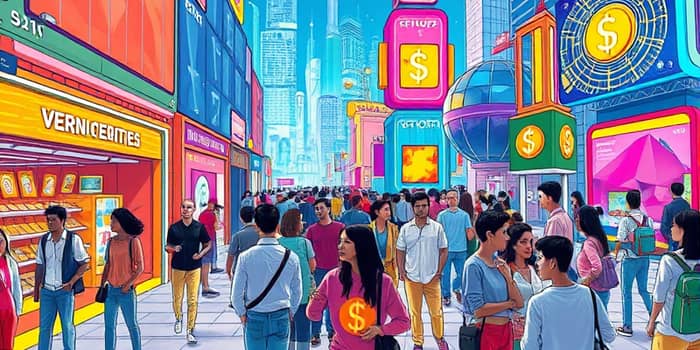
In this comprehensive guide, we explore how digital currencies power the rapidly evolving metaverse ecosystem and offer practical strategies for stakeholders to thrive in this immersive frontier.
From market forecasts to asset classes and regulatory shifts, we dive deep into the forces shaping virtual worlds and reveal actionable insights that can transform your approach today.
Market Size and Growth Forecasts
The metaverse market is poised for extraordinary growth, with estimates ranging from $82 billion to $95 billion in 2023 and projections exceeding $1.3 trillion by 2032. Even the most cautious analyses anticipate annual growth rates well above 40%, underscoring the unprecedented expansion into virtual economies.
Key drivers include leaps in hardware, AI integration, and network infrastructure that together fuel a self-reinforcing cycle of adoption and innovation.
- Advanced super-immersive hardware like lighter VR headsets and responsive haptic suits.
- AI-powered content generation for truly personalized and dynamic experiences.
- Scalable blockchain infrastructure enabling fast, low-cost transactions.
- High-speed 5G/6G networks supporting seamless multi-user interactions.
- Policy-driven digitalization in Asia unlocking new markets.
Role of Digital Currencies and Virtual Economy
At the core of the metaverse lies a thriving virtual economy where digital currencies and NFTs serve as the lifeblood of immersive commerce. They enable trustless transactions, verifiable ownership, and real-time value exchange.
Consumers purchase virtual land, art, music, wearables, and more, driving a cycle of creation and monetization that extends beyond any single platform. Gartner predicts that by 2026, one in four people will spend at least an hour daily in virtual environments.
For businesses, this means designing products that seamlessly integrate digital assets and offer cross-platform utility. Consider token-based loyalty programs or NFT-backed event tickets to engage users at a deeper level.
Dominant Virtual Assets and Categories
By 2030, the metaverse will host mature asset classes, each playing a distinct role in the economy. Understanding these categories is essential for making informed investments and creative decisions.
Marketplaces and Commerce Evolution
Commerce in the metaverse is shifting towards hybrid models that blend intuitive centralized experiences with the security of decentralized settlement. Imagine shopping in a mall-like environment powered by smart contracts under the hood.
AI assistants can guide users through virtual stores, offer styling tips, and compare prices across platforms, creating a holistic cross-platform shopping journey.
- Subscription access for exclusive virtual zones and premium content.
- Pay-per-use or rent-to-own models for high-value digital items.
- Web3 commerce frameworks that eliminate intermediaries and reduce costs.
Brands and retailers looking to enter the metaverse should start with pilot experiences tied to tangible rewards—limited edition wearables, early access to virtual events, or tokenized coupons redeemable in both real and virtual storefronts.
Sector-Specific Impacts
Different industries will be transformed in unique ways as the metaverse economy matures.
- Gaming & Entertainment: In-game assets gain real-world value, and live virtual concerts attract global audiences and sponsorship dollars.
- Real Estate & Architecture: Virtual architects design gravity-defying structures while investors speculatively buy and develop digital land.
- Finance & Banking: Virtual branches offer tokenized loans, asset-backed financing, and cross-chain payments with built-in compliance protocols.
Enterprises are advised to assess how their existing offerings—whether they are products, services, or content—can gain new life and revenue streams when tokenized and integrated into immersive settings.
Regulatory and Infrastructure Context
As the metaverse expands, governments and international bodies are crafting frameworks for taxation, consumer protection, and intellectual property rights in virtual environments. This regulatory landscape will continue to evolve through 2030 and beyond.
On the infrastructure side, hardware is becoming more accessible. Affordable VR and AR devices paired with improving mobile networks ensure that emerging markets can participate in the metaverse revolution.
Key challenges remain: achieving seamless interoperability, safeguarding user privacy, and ensuring equitable access. Stakeholders must collaborate on open standards and inclusive design principles to address these hurdles.
Investment Opportunities and Future Outlook
For investors and entrepreneurs, the metaverse presents a variety of entry points:
- Acquire virtual real estate in emerging platforms with growing user bases.
- Invest in tokens that power the infrastructure of popular virtual worlds.
- Develop creator marketplaces that connect artists directly with global audiences.
- Build enterprise-focused tools for immersive collaboration and data visualization.
Looking ahead, we enter a phase where virtual and physical economies will blend in unprecedented ways. Businesses that experiment early, iterate based on user feedback, and prioritize user-centric immersive design will secure a competitive edge.
To navigate this landscape effectively:
Create a cross-functional team to pilot metaverse initiatives, measure engagement metrics, and scale successful proof-of-concepts.
Allocate a portion of R&D budgets to explore partnerships with blockchain developers and XR hardware manufacturers.
Foster an organizational culture that embraces rapid prototyping and learning from failures in virtual environments.
In conclusion, the metaverse economy is not a distant dream but a fast-approaching reality. By understanding market dynamics, leveraging digital currencies, and participating in vibrant virtual asset markets, you can harness transformative opportunities. Start now to shape the future of commerce, community, and creativity in the metaverse age.
References
- https://www.timesofblockchain.com/price-prediction/metaverse-economy-forecast-2026-2030/
- https://www.sganalytics.com/blog/shopping-playing-or-working-how-will-you-be-spending-your-time-in-the-metaverse-in-2026/
- https://www.weforum.org/stories/2022/03/hour-a-day-in-metaverse-by-2026-says-gartner/
- https://www.insightaceanalytic.com/report/metaverse-market/1663
- https://www.startus-insights.com/innovators-guide/metaverse-outlook/
- https://deftsoft.com/how-businesses-are-using-metaverse-app-development-in-2026-top-trends-explained/
- https://www.deloitte.com/us/en/what-we-do/capabilities/applied-artificial-intelligence/articles/what-does-the-metaverse-mean.html
- https://www.cognitivemarketresearch.com/metaverse-market-report