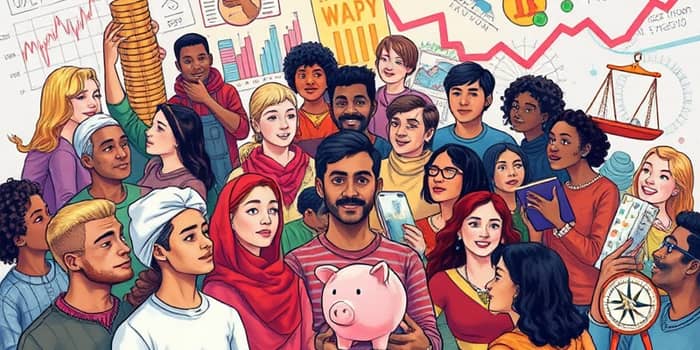
Inflation is often reduced to a percentage on the morning news, but its full impact seeps into every corner of daily life. Beyond rising prices at the grocery store, inflation quietly reshapes our savings, alters behavior, and amplifies inequality. By understanding its hidden dimensions, we gain the power not just to cope, but to thrive amid economic shifts.
While a 3% headline rate might feel modest, its undercurrents trickle through every financial decision. This article uncovers how inflation acts as a silent tax, redistributes wealth, disrupts businesses, and burdens the mind—and how you can defend your future.
Unexpected Erosion of Savings and Cash Holdings
Cash feels safe. Yet when inflation outpaces your deposit interest, every dollar tucked away shrinks in value. Holding $10,000 in an account earning 2% interest during 5% inflation effectively costs you nearly 3% in real purchasing power annually.
Over time, this compounding loss becomes striking. Consider a decade-long stretch of inflation:
In effect, your money halves in power even as the number in your bank account remains unchanged. This phenomenon punishes cautious savers—especially retirees on fixed budgets—by quietly eroding their nest eggs.
Fixed-Income Pitfalls and Investment Traps
Fixed-rate bonds, CDs, and annuities are beloved for predictability, yet they suffer negative real returns when inflation outstrips yield. A 10-year bond paying 2% loses ground if costs climb above that mark.
Not all assets react equally. Commodities and real estate often track inflation, while stocks depend on corporate pricing power. Wage earners lag as salary adjustments chase rising costs, deepening frustration:
- Commodities and precious metals as inflation hedges
- Equities with strong pricing power
- Fixed-income traps when yields fall behind
Adding to the confusion, official indexes understate true daily costs. Shelter, healthcare, and groceries frequently outpace the reported rate, making life feel closer to 10–15% inflation for many households.
Sneaky Tactics: Shrinkflation and Product Disappearances
Beyond sticker price hikes, manufacturers hide costs via shrinking sizes. In 2023, some laundry detergents cut package volumes by nearly 26% while keeping prices static—contributing up to 10% of grocery inflation.
When favored items vanish, consumers experience an anchor effect, fixating on past volumes and perceiving replacements as overpriced. The hunt for substitutes adds time, stress, and often higher spending—particularly for those on tight budgets.
Wealth Redistribution and Deepening Inequality
Inflation quietly shifts wealth from lenders to borrowers. A fixed-rate $300,000 mortgage at 4% is repaid with dollars worth less each year, benefitting homeowners at the expense of savers.
Meanwhile, asset owners—those holding property, stocks, or commodities—see real gains. As wages struggle to keep pace, the gap between asset-rich and income-dependent households widens, solidifying inequality over decades.
Psychological and Behavioral Ripples
Rising costs distort decision-making. Anticipating higher prices tomorrow prompts premature purchases, reduces savings, and fuels unsustainable debt. Anxiety mounts as trust in official statistics and institutions erodes.
For many, the mental toll rivals the financial one. Constant budget recalibration breeds risk-aversion, prompting larger emergency funds or boycotts of pricier goods—choices that can backfire in a dynamic economy.
Economic Uncertainty and Business Challenges
For businesses, unpredictable inflation complicates planning, capital allocation, and pricing strategies. Some respond by cutting expenses, launching side ventures, or parking funds in high-yield accounts that promise to match inflation.
As essentials like healthcare and insurance surge faster than the average rate—sometimes by 6–7% annually—both consumers and companies scramble to adjust, amplifying economic distortions.
Protective Strategies to Safeguard Your Wealth
While no strategy is foolproof, a diversified approach can soften inflation’s blow:
- Allocate a portion to inflation-protected securities (TIPS, I-Bonds).
- Invest in real assets: real estate, commodities, precious metals.
- Seek equities with strong pricing power and dividend growth.
- Limit idle cash to an emergency buffer, keeping most funds in higher-yielding vehicles.
- Develop in-demand skills to secure wage increases above inflation.
Measuring success requires vigilance. Track your real returns—subtract inflation from nominal gains—and adjust allocations as rates shift. Cultivating emotional resilience helps you stay the course without panicking at every headline.
Inflation is not simply a number; it’s a force that reshapes financial landscapes, mindsets, and societies. By recognizing its hidden costs—erosive savings, distorted behaviors, and wealth transfers—you gain the insight to protect your resources and build a more secure future.
Empowered with knowledge and a clear plan, you can turn inflation from a silent adversary into a motivator for proactive wealth management. Your wallet may feel the pinch, but your financial fortress will grow stronger.
References
- https://nextdoorfinancialservices.com/the-hidden-cost-of-inflation-on-wealth/
- https://axidio.com/blog/shrinkflation-in-scm-2024
- https://www.yamatopdog.com/inflation-economy/disappearance-drives-inflation-perception/
- https://www.americanstandardgold.com/blog/the-hidden-cost-of-holding-cash-during-inflation-how-to-protect-savings.cfm
- https://www.oreateai.com/blog/the-hidden-costs-of-inflation-why-it-matters/8db98ed21fe9666a23769d25a8be04ff
- https://www.moneylion.com/learn/inflation-breakdown/
- https://www.moneytalksnews.com/expenses-that-threaten-to-drain-your-wallet-in-with-prices-rising-up-to/