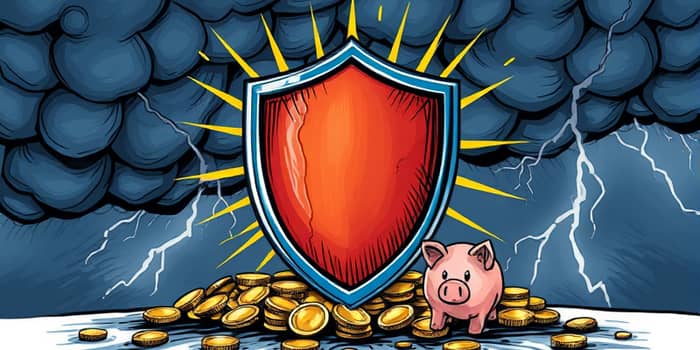
Life is full of unexpected twists—medical bills, car repairs, job losses—that can knock anyone off balance. By creating an dedicated bank account with money set aside solely for emergencies, you establish a financial buffer to protect your day-to-day stability. An emergency fund acts as a safety net, preventing you from falling into high-interest debt or making hasty financial decisions when surprises arise.
In this blueprint, you’ll discover why an emergency fund matters, how much you need, and practical steps to build and manage your reserve with confidence. Embrace this plan to transform uncertainty into empowerment—and to face life’s curveballs with calm assurance.
Why an Emergency Fund Matters
Building an emergency fund is more than a savings goal—it’s a commitment to your future peace of mind. Financial experts agree that having a reserve can help you avoid relying on credit cards or payday loans during crises, minimizing stress and preserving your credit health.
- Prevents debt accumulation after unexpected costs
- Reduces your financial stress and anxiety
- Allows better job transitions without desperation
- Covers large medical deductibles or treatments
- Protects retirement investments from early withdrawals
With each unexpected expense, an emergency fund shields you from tapping into long-term savings or taking on burdensome interest charges. It’s not just money in a bank—it’s your personal armor against the unpredictable.
Setting the Right Savings Goal
How much should you aim to save? The consensus is between three to six months of essential living expenses. However, individual circumstances may call for adjustments:
- 3 months: Suitable for single adults with stable income and no dependents
- 6 months: Ideal for families, variable incomes, or those with dependents
- 9+ months: Recommended for seasonal workers or fluctuating freelance earnings
- 18–24 months: Best practice for retirees without a steady paycheck
Begin with a smaller initial goal—perhaps $1,000 as an emergency cushion—and build up gradually. Calculate your monthly expenses by listing rent or mortgage, utilities, groceries, insurance, and debt payments, then multiply by your target months.
Strategies to Build Your Fund
Saving consistently is key. Aim to allocate 5–10% of each paycheck toward your emergency fund. If that feels daunting, start with an amount you can sustain—$25 or $50 per paycheck—and increase it over time. Automating these transfers removes temptation and ensures progress without effort.
Choose a safe place for your fund. High-yield savings accounts are ideal because they earn interest while remaining federally insured. Avoid investments that lock up funds or expose them to market volatility; liquidity is crucial when emergencies strike.
Maintaining and Using Your Fund Wisely
Your emergency fund exists for true emergencies, not wants. Resist the urge to dip into it for a vacation, new gadgets, or everyday splurges. Track withdrawals carefully and replenish funds as soon as possible to maintain your buffer.
Embracing Financial Peace of Mind
Statistics show nearly 56% of U.S. adults couldn’t cover a $1,000 emergency from savings. By following this blueprint, you’ll join the minority who face surprises with confidence instead of fear. Every deposit brings you closer to freedom from financial anxiety.
Picture your emergency fund as a resilient shield—always there, always ready. No matter what life throws your way, you’ll meet challenges with calm assurance, knowing you’ve prepared wisely. Start today, commit to your goals, and watch as your financial independence and peace of mind grow stronger each month.
References
- https://www.nerdwallet.com/banking/learn/emergency-fund-why-it-matters
- https://www.bankrate.com/banking/savings/emergency-savings-report/
- https://www.northshorebank.com/about-us/connecting-with-you/budgeting/pros-and-cons-of-having-an-emergency-fund
- https://www.bankeasy.com/personal/customer-resources/what-is-a-good-amount-for-an-emergency-fund
- https://investor.vanguard.com/investor-resources-education/emergency-fund
- https://www.midflorida.com/resources/insights-and-blogs/insights/checking-savings/how-much-should-i-have-in-my-emergency-savings-account
- https://www.johnhancock.com/ideas-insights/why-do-i-need-an-emergency-fund.html
- https://www.nerdwallet.com/banking/learn/emergency-fund-calculator
- https://www.1stunitedcu.org/more-for-you/financial-wellness/four-reasons-emergency-funds-are-important
- https://www.tiaa.org/public/learn/financial-education/building-an-emergency-fund
- https://www.discover.com/online-banking/banking-topics/why-you-need-an-emergency-fund/
- https://www.aarp.org/money/personal-finance/how-much-in-emergency-fund/
- https://www.fidelity.com/viewpoints/personal-finance/save-for-an-emergency