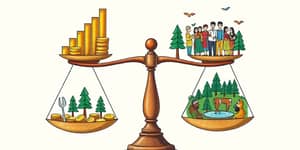
In an age when economic indicators dominate headlines, a new field reminds us that money alone does not equate to fulfillment. Understanding what truly drives well-being can reshape policy, enrich communities, and empower individuals to live more meaningful lives.
Happiness economics blends quantitative and qualitative insights to uncover the real drivers of human contentment.
Origins and Core Concepts
Born from Bhutan’s groundbreaking vision, the Gross National Happiness framework challenged the exclusive focus on GDP. Happiness economics builds on that inspiration by combining techniques from economics, psychology, and sociology to evaluate quality of life alongside traditional measures.
Rather than replacing income-based metrics, this approach integrates subjective measures including personal freedom, leisure time, and community trust into large-scale surveys, offering a multidimensional view of well-being.
The Income–Happiness Relationship
Decades of research highlight a complex connection between wealth and happiness. The landmark Kahneman–Deaton study found that life evaluation continues to climb beyond $75,000 per year, but daily joy plateaus. This insight warns against endless consumption as a path to fulfillment.
Yet in 2024, Matthew Killingsworth’s work upended that ceiling, revealing that ultra-high net worth individuals reported greater daily contentment than mid-income peers. His findings suggest that context, lifestyle choices, and expectations shape how income translates into happiness.
Four Pillars of Subjective Well-Being
Subjective well-being research focuses on four key dimensions:
This framework guides policymakers toward useful policy direction and social progress that extend beyond raw economic output.
Beyond Money: Social Connections and Trust
Research consistently shows that higher levels of social trust and strong interpersonal bonds are as vital as income. Communities where neighbors help one another report markedly lower stress and stronger resilience against hardship.
Relationship status also profoundly influences happiness. Couples who view each other as best friends experience greater emotional well-being, highlighting the role of intimate bonds in daily contentment.
Macroeconomic Policy and Collective Well-Being
Macroeconomic conditions shape national moods. Studies by Di Tella and MacCulloch demonstrate that unemployment reduces well-being nearly five times more than a comparable rise in inflation. This underscores the necessity of policies that protect jobs and maintain stable prices.
Inflation’s impact extends beyond lost purchasing power; the environment of anxiety it generates erodes trust and optimism. Simply matching wages to prices fails to address the macroeconomic policy effects on happiness that ripple through societies.
Behavioral and Physiological Benefits
Happiness is not a frivolous luxury—it yields concrete returns. Happier employees exhibit higher productivity, lower absenteeism, and greater creativity. Over the life cycle, those with strong well-being often achieve higher earnings and healthier lifestyles.
Physiological studies link positive emotions to reduced inflammation, stronger immunity, and longer lifespans. Investing in happiness thus becomes an investment in public health and economic vitality.
Psychological Theories: Treadmills and Set Points
The hedonic treadmill hypothesis argues that after basic needs are met, aspirations rise alongside income, making true gains in joy elusive. Meanwhile, Set Point Theory posits that individuals return to a baseline happiness level following life events, emphasizing the importance of mindset.
Awareness of these patterns can help individuals cultivate gratitude, resilience, and perspective, offsetting the relentless chase for external rewards.
Practical Steps to Cultivate Happiness
Individuals can take active steps to enhance well-being, regardless of income level:
- Foster meaningful connections through regular social activities and open conversations.
- Engage in purposeful work or volunteer efforts that align with personal values.
- Prioritize physical health via balanced nutrition, exercise, and restful sleep.
- Practice gratitude journaling to reinforce positive experiences and achievements.
By integrating these habits, anyone can experience measurable boosts in joy and fulfillment.
Policy Applications and Future Directions
Governments and organizations are increasingly embedding well-being metrics into decision making. The OECD’s Better Life Index and numerous national happiness initiatives demonstrate a shift toward holistic policy evaluation.
Future research aims to deepen causal understanding, ensure equity across demographics, and explore the role of global information flows in shaping expectations. Such efforts promise to refine strategies that truly enhance life satisfaction and happiness on a global scale.
In the pursuit of progress, an economics of happiness reminds us that prosperity must be measured by more than numbers—it must reflect the lived experiences, aspirations, and well-being of every individual.
References
- https://www.ebsco.com/research-starters/economics/happiness-economics
- https://ojs.stanford.edu/ojs/index.php/intersect/article/download/2668/1577/9680
- https://papers.ssrn.com/sol3/papers.cfm?abstract_id=4274847
- https://www.nber.org/reporter/2015number2/economics-happiness
- https://www.federalreserve.gov/newsevents/speech/bernanke20100508a.htm
- https://www.developmenteducationreview.com/issue/issue-13/economics-happiness
- https://ideas.repec.org/p/zbw/glodps/640.html