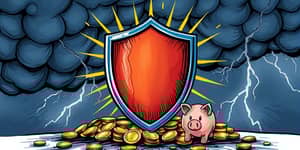
In 2026’s shifting economy, mastering the dance between controlled spending and diligent saving has never been more crucial. This guide will equip you with practical tactics, emerging tools, and forward-looking insights to help you build financial resilience and achieve your dreams.
2026 Economic Context
The global economic landscape in 2026 is defined by easing but unpredictable inflation and stabilizing yet fluctuating interest rates. Central banks are cautiously adjusting benchmark rates while digital banking innovations, including pilots of central bank digital currencies, reshape how we transact and store wealth.
Meanwhile, persistent high living costs underscore the need for a robust budget. Advances in AI-driven financial tools are empowering consumers to track expenses, optimize investments, and anticipate market shifts. Embracing these technologies can turn uncertainty into opportunity.
Financial Goal-Setting
Clear objectives lay the groundwork for financial success. Begin by defining your priorities across three horizons:
- Short-term: Build an emergency fund and pay off high-interest debt.
- Medium-term: Save for a home down payment or continuing education.
- Long-term: Establish a retirement nest egg and a diversified investment portfolio.
Apply S.M.A.R.T. goals—Specific, Measurable, Attainable, Relevant, Time-based—to each target. For example, commit to saving $200 each month until you reach a three-month living expense buffer. Review progress quarterly and adjust as life evolves.
Budgeting Techniques
Effective budgeting is the cornerstone of financial health. Treat your plan as a living document, revisited monthly to reflect income changes, new expenses, or shifting priorities.
Track daily spending through your bank’s AI categorization. Automate bill payments immediately after each paycheck to avoid late fees and capitalize on autopay discounts.
Smart Spending Strategies
Combat rising prices without sacrificing quality. Apply these tactics to optimize every purchase:
- Use browser extensions and apps for dynamic coupon clipping at checkout.
- Join loyalty and rewards programs to earn points on routine buys.
- Purchase refurbished or pre-owned electronics with solid warranties.
- Negotiate service contracts—utilities, internet, and insurance—annually for lower rates.
Practicing anti-waste habits—such as auditing and canceling unused subscriptions—can free up hundreds of dollars each year to redirect toward savings or investments.
Saving Automation and Tools
Leverage technology to automate and enhance your savings. Set up recurring transfers to a high-yield savings account on payday, even if it’s just $50. Over time, small amounts grow into significant cushions.
- YNAB and Copilot for budget-driven savings goals.
- Monarch Money for holistic net worth tracking.
- Fidelity Go or Robinhood for automated micro-investing.
- AI assistants that send real-time alerts on low balances and unusual charges.
Aim for an emergency fund equal to at least three to six months of living expenses, separate from long-term savings or invested assets. Use windfalls—bonuses, tax refunds—to top up these accounts swiftly.
Debt Reduction and Credit Use
Erasing high-interest debt is one of the most impactful financial moves you can make. Target credit card balances and personal loans first, paying more than the minimum to reduce interest accrual.
Consider balance transfer promotions or consolidation loans to lock in lower rates. Employ the “island approach” with credit cards—assign one card for groceries, another for gas—to maximize category-specific rewards while paying off balances in full each month.
Investing and Diversification
Once debt is under control and an emergency fund is in place, shift focus to growing wealth. Construct a diversified growth portfolio blending low-cost index ETFs, dividend-paying stocks, and bond funds to navigate market volatility.
Target exposure to emerging themes such as renewable energy, AI infrastructure, and digitization, while tempering risk with a bond allocation. Rebalance your holdings annually to maintain desired risk levels aligned with your timeline and objectives.
Income Diversification
Additional income streams bolster resilience against economic swings. The gig economy and online platforms make side hustles more accessible than ever.
- Freelance on Upwork or Fiverr using marketable skills.
- Create digital products—e-books, courses, or stock photography—for passive royalties.
- Explore peer-to-peer lending or real estate crowdfunding for alternative yields.
Allocate a portion of extra earnings to investments or your emergency fund, accelerating progress toward long-term goals.
Household and Sustainable Savings
Small upgrades at home can yield big savings. Invest in energy-efficient appliances or smart thermostats eligible for tax credits under recent legislation. Replace incandescent bulbs with LEDs and seal drafts to lower utility bills.
Practice meal planning, bulk grocery buying (within expiration limits), and composting to reduce food waste. Evaluate each subscription service annually as silent expenses that quietly erode your budget.
Tax Breaks and Incentives for 2026
The Inflation Reduction Act and other reforms have expanded opportunities to keep more of your earnings:
• Enhanced energy efficiency credits for solar panels and heat pumps.
• Increased contribution limits for 401(k)s, IRAs, and HSAs.
• Expanded education credits for tuition and student loan interest.
Work with a tax professional to align your financial strategies with available incentives and minimize your tax liability.
Additional Trends and Habits
Leverage gamification and behavioral nudges in modern finance apps to stay engaged and motivated. Set micro-goals, celebrate milestones, and review your strategy annually to stay on track.
Cultivate core habits: track spending diligently, automate savings, prioritize debt repayment, and maintain a fully funded emergency cushion. By weaving these practices into your daily life, you’ll establish a foundation for enduring financial balance and freedom.
References
- https://www.nasb.com/blog/detail/how-to-save-money-in-2026
- https://www.cbsnews.com/minnesota/news/financial-resolutions-tips-2026/
- https://southstarbank.com/10-ways-to-maximize-your-savings-in-2026/
- https://www.vectrabank.com/personal/community/two-cents-blog/Save-Smarter-in-2026/
- https://www.kiplinger.com/personal-finance/spending/things-you-need-to-stop-wasting-money-on
- https://merchantsbankal.bank/year-end-financial-planning-for-2026/
- https://www.meniga.com/resources/what-are-the-best-savings-strategies/