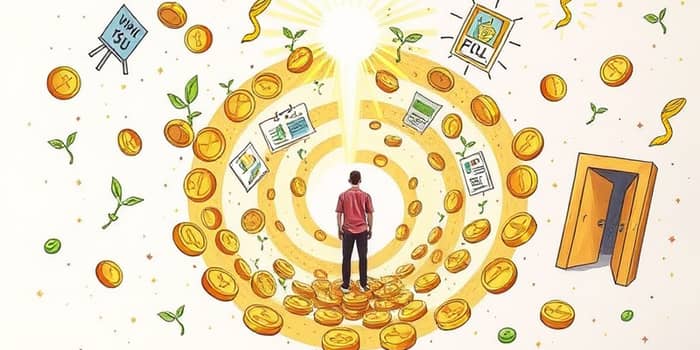
Our relationship with money is woven into every decision we make, every dream we chase, and every fear we face. By unpacking the stories we tell ourselves about wealth, we can transform our finances—and our lives. This article guides you through understanding your money mindset, identifying limiting beliefs, and adopting actionable strategies for lasting abundance.
Core Definition and Origins of Money Mindset
At its heart, money mindset comprises the beliefs, attitudes, emotions, behaviors toward money that shape how we earn, spend, save, and invest. These mental frameworks, or “money scripts,” emerge from childhood influences—parents’ comments, cultural narratives, past experiences—and filter subconscious financial decisions.
Financial psychologist Brad Klontz highlights four dominant money scripts: money avoidance, money worship, money status, and money vigilance. Each script can propel us toward success or trap us in patterns of fear, guilt, or overconfidence. Recognizing where our earliest influences lie helps us challenge outdated perspectives and build healthier habits.
Common Money Mindsets and Their Impacts
Across decades of research, certain mindsets recur, each carrying positive potential and hidden pitfalls. Understanding these profiles empowers you to leverage strengths and guard against downsides:
- Money Avoidance: Feelings of fear, guilt, or shame drive avoidance of budgeting and planning, leading to financial negligence or impulsive spending.
- Money Worship: The belief that wealth solves all problems and grants happiness, fostering an endless pursuit of more, often at the expense of present joy.
- Money Status: Self-worth tied to net worth and external validation, prompting status-driven purchases and relentless comparison.
- Money Vigilance: Hyper-focus on frugality, debt avoidance, and constant financial monitoring—useful for control but prone to anxiety and missed opportunities.
Beyond these four, mindsets such as scarcity (fear of running out) and abundance (belief in limitless opportunity) color our choices. A scarcity mindset fosters hoarding, while an unchecked abundance lens can lead to overspending. The balanced approach views money as a tool to achieve goals without letting it define self-worth.
Psychological Drivers Shaping Wealth Behaviors
Emotions and biases play starring roles in our financial story. Emotional spending—seeking comfort through retail therapy—can soothe pain temporarily but detract from long-term goals. Present bias tempts us with immediate gratification over future stability. Meanwhile, the language we use—phrases like “I can’t afford it”—reinforces limiting beliefs.
Reframing self-talk to statements such as “How can I make this happen?” or “Money flows to me easily” rewires the subconscious. As Morgan Housel reminds us, “Doing well with money has a little to do with how smart you are and a lot to do with how you behave.” Cultivating awareness of emotional triggers and biases is the first step toward mastery.
Identifying Your Money Mindset
Self-reflection illuminates hidden scripts. Set aside quiet time to journal your responses to these key questions:
- How do I feel when I view my bank balance?
- What messages about wealth did I absorb in childhood?
- How do I react to unexpected expenses or windfalls?
- What stories do I tell myself when I see someone richer or poorer than me?
Tracing beliefs to their origins—perhaps a parent warning that “money is the root of all evil” or a culture that equates success with excess—reveals patterns ripe for transformation.
Strategies to Transform Limiting Beliefs
Changing your money narrative demands inner work and consistent practice. Implement these nine strategies to reprogram your financial mindset:
- Identify and challenge limiting beliefs: List all money-related thoughts, trace their roots, and reframe them into empowering affirmations.
- Build an abundance mindset: Place photocopies of currency in everyday spaces to normalize wealth and practice daily affirmations.
- Visualization and gratitude: Craft a vision board and vividly imagine your financial goals, then express gratitude for current resources.
- Language shifts: Swap scarcity-laden words with positive descriptors—transform “price” into “investment” and “broke” into “building wealth.”
- Daily habits for wealth-building: Automate savings, track expenses, read personal finance books, and set morning intentions focused on growth.
- Set SMART goals: Define Specific, Measurable, Achievable, Relevant, Time-bound financial objectives and share them for accountability.
- Expand financial literacy: Attend workshops, watch expert videos, and invest in skills that boost earning potential.
- Practice generosity: Balance giving and receiving by recognizing the value you create and releasing guilt around abundance.
30-Day Wealth Programming Plan
Consistency is the catalyst for change. Follow this four-week blueprint to embed new habits and mindsets:
Putting It All Together: A Narrative of Change
Imagine Marisa Peer, who rose from single parent struggles to financial freedom, not by chance but through deliberate mindset work. Her journey underscores that wealth begins within. By acknowledging fears, reframing beliefs, and taking small, consistent actions, you lay the groundwork for lasting prosperity.
Embrace challenges as opportunities, view setbacks as lessons, and celebrate each victory—no matter how small. Over time, your new money mindset becomes second nature, guiding decisions with clarity, confidence, and purpose. You’ll notice stress melt away, opportunities multiply, and a sense of peace replace financial anxiety.
Transforming your money story isn’t about chasing wealth for its own sake; it’s about unlocking freedom: the freedom to give, create, and live aligned with your core values. As you progress, remember that true abundance encompasses relationships, health, and personal growth just as much as bank balances.
Begin today. Identify one limiting belief, reframe it, and take a tiny step toward abundance. Each day you invest in your mindset, you invest in a richer, more empowered future.
References
- https://www.bensonfinancialgroup.com/blog-01/the-psychology-of-money-understanding-your-money-mindset
- https://marisapeer.com/program-your-mind-for-wealth/
- https://place.com/personal-development/money-mindset-how-to-start-building-wealth-today/
- https://moneymentalist.com/2025/01/21/ten-ways-to-shift-from-a-broke-mindset-to-a-wealthy-mindset/
- https://getremynt.com/blog/the-psychology-of-spending-understanding-your-money-mindset/
- https://www.youtube.com/watch?v=NAHAtWOc2EI
- https://www.imwealthpartners.com/blog/the-psychology-of-money-how-your-mindset-shapes-financial-success
- https://ahead-app.com/blog/mindfulness/transform-your-9-5-life-with-a-millionaire-mindset-practical-habits-for-success
- https://www.creighton.edu/news/why-your-money-mindset-matters-more-you-think
- https://www.mtnlegacy.com/blog/how-reprogram-improve-your-money-mindset
- https://carolineadamscoaching.com/blog/what-is-money-mindset
- https://dariusforoux.com/money-mindset/
- https://www.dordt.edu/in-all-things/the-psychology-of-money-achieving-financial-peace
- https://www.bankatfirst.com/personal/discover/flourish/build-a-wealth-mindset.html
- https://www.psychologytoday.com/us/blog/the-regret-free-life/202506/the-truth-about-money-meaning-and-happiness